How to spot a well-kept beer

The same beer can taste completely different in two pubs. The difference isn't the brewery – it's how the beer is handled from keg or tank to your table. Here are five things that tell you more than the sign outside.
1. Foam
Dense, creamy white foam should hold its shape for several minutes and leave “lacing” on the glass after each sip. Thin foam with big bubbles that disappears fast often means a poorly rinsed glass or the wrong pressure.


2. Temperature
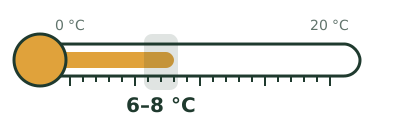
A pale lager tastes best at around 6–8 °C. Too cold and it mutes flavour and bitterness; too warm and it tastes flat.
3. Glass
The glass must be “beer clean” – free of detergent residue and grease. Bubbles clinging to the sides of the glass are a warning sign.
4. Pouring styles
Czech beer culture has several ways to pour a beer. They differ in the ratio of beer to foam, and each has its reason. A good bartender pours in one or two pulls, doesn't let the beer stand and never tops up with old foam.





5. Tank or keg
Tank beer arrives unpasteurised and is stored in large tanks; keg beer comes in smaller kegs. Both can be excellent – what matters is turnover and line cleaning. Where a lot is poured, the beer is always fresh.
Tip: if you don't like your beer, tell the staff. A good pub treats it as feedback.